Fany Brush: A Textured Display Font for Creative Web Design
Choosing Fany Brush for a Boutique Coaching Website
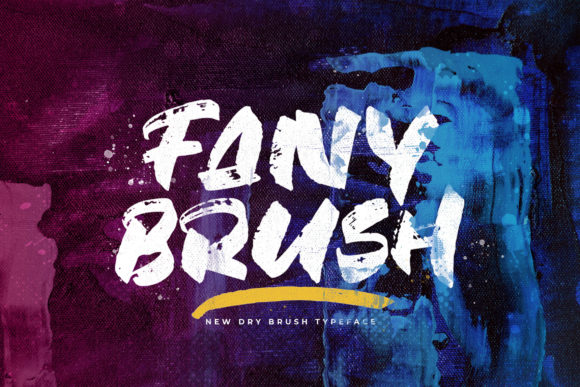
I recently worked on a branding project for a wellness coach launching a new online presence. The goal was to create a warm, inviting, and professional digital space that felt both modern and personal. When it came to selecting a typeface for the hero section and key headings, I decided to test Fany Brush as a standout display font. Its textured, hand-brushed look immediately caught my eye — it felt like the perfect visual bridge between organic warmth and contemporary web design.
Placing it in the hero banner over a soft pastel background, I was struck by how well the font’s natural imperfections added character without sacrificing legibility. It gave the homepage a custom, handcrafted feel that digital sans serifs often miss. I used it for the main headline — “Your Journey Starts Here” — and paired it with a clean sans serif for subtext and body content. The contrast worked beautifully, creating a strong visual hierarchy that guided the eye naturally through the layout.
How Fany Brush Performs in Responsive Web Layouts
One of the first things I checked was how Fany Brush scaled across devices. On desktop, the texture and flow of the letters were crisp and elegant. When viewed on mobile, the font maintained its charm, though I noticed a slight softening of detail on smaller screens. This made it less ideal for use in tight spaces like navigation bars or small buttons. I reserved it for larger headings and decorative accents where its personality could shine without compromising readability.
For the coaching site’s call-to-action section, I used Fany Brush in a larger size for the headline: “Book Your Free Consultation.” It felt inviting and human, which aligned perfectly with the brand’s voice. I made sure the background contrast was strong — using a semi-transparent overlay when placing it over images — to ensure legibility on all devices.
Best Use Cases for Fany Brush in Web Design
Fany Brush truly excels in short, impactful phrases rather than long-form content. It works especially well in:
- Hero headlines that set the tone for a website
- Logo text or brand taglines needing a personal touch
- Section headers that introduce key content areas
- Call-to-action banners with short, bold text
- Blog post titles or featured content headers
It’s also a strong contender for digital brand kits, portfolio showcases, and landing pages where visual appeal plays a big role in user engagement. However, I wouldn’t recommend it for navigation menus, form labels, or body copy — its decorative nature makes it harder to scan in dense or small text environments.
Font Pairing Tips for Balanced Web Typography
As with any display font, Fany Brush benefits greatly from thoughtful pairing. I paired it with a light-weight sans serif for body text and secondary headings, which created a clean, modern contrast. For a more editorial feel, I also tested it with a simple serif font for quote sections and testimonials, which added a subtle layer of sophistication.
When designing a hero section with Fany Brush, try using a bold sans serif for button text to maintain visual balance. For example, if your headline says “Create with Purpose” in Fany Brush, a button that reads “Start Now” in a strong sans serif keeps the layout grounded and easy to navigate.
Technical Considerations for Using Fany Brush Online
Before finalizing the font for client use, I double-checked the available webfont formats and found that Fany Brush includes standard web-ready files like WOFF and TTF. This made it easy to embed via custom CSS or font hosting platforms. I also appreciated the inclusion of alternate characters and ligatures, which allowed for slight customization in key branding elements.
It’s always important to verify licensing when using fonts on live websites — especially for commercial or client projects. Fany Brush includes commercial use rights, which made it safe to implement into the coaching site’s live design without legal concerns.
For multilingual sites, I recommend checking if the font supports the necessary character sets. While Fany Brush covers standard Latin characters, it may not be ideal for websites requiring extensive diacritics or non-Latin language support.
Final Thoughts: A Versatile Display Font with Digital Charm
Fany Brush brings a unique, handcrafted energy to web design that’s hard to replicate with standard fonts. Whether you're building a creative portfolio, boutique brand site, or product landing page, this textured display font can elevate your visual identity and help your content stand out. Just be mindful of its decorative nature — use it where it can shine, pair it wisely, and test for legibility across screen sizes.